Vehicle History Report
A Design Sprint Under Extreme Time Constraints
A Design Sprint Under Extreme Time Constraints
IT Company
UX/UI Designer, Researcher & Facilitator.
Argentina
1 week
2019
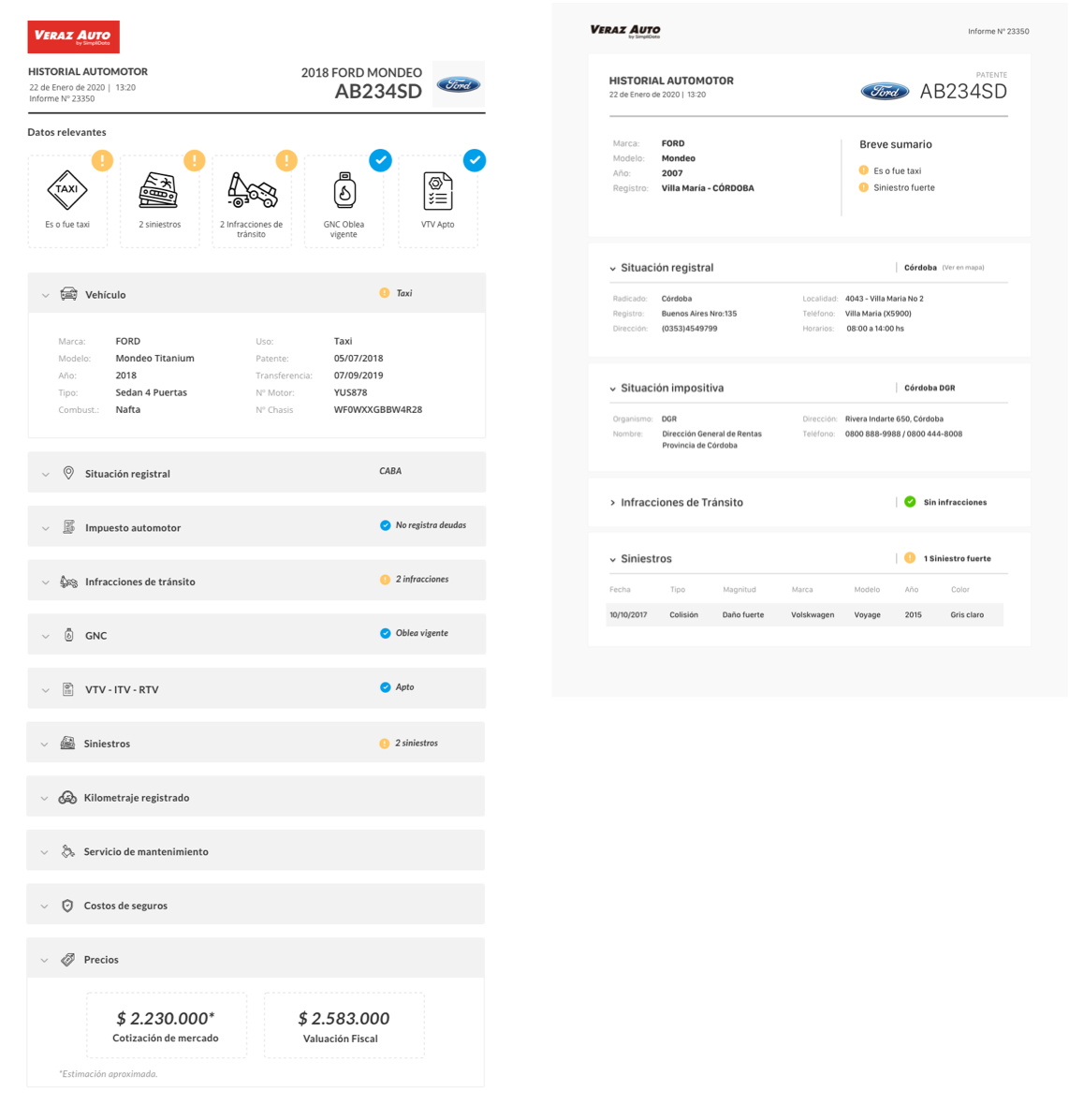
This project was a one-week, sprint-driven exploration to design a Vehicle History Report for the Argentinian used-car market.
Working under tight time constraints, we used a remote Design Sprint to rapidly assess feasibility, define the right moment in the user journey, and prototype a report that could support safer purchasing decisions.
Key insight:
In this context, the most reliable path to accuracy remains certified mechanical inspections. Design can’t replace missing data — but it can help users understand limitations and make more informed choices.
This was not just a design problem — it was a market and feasibility challenge.
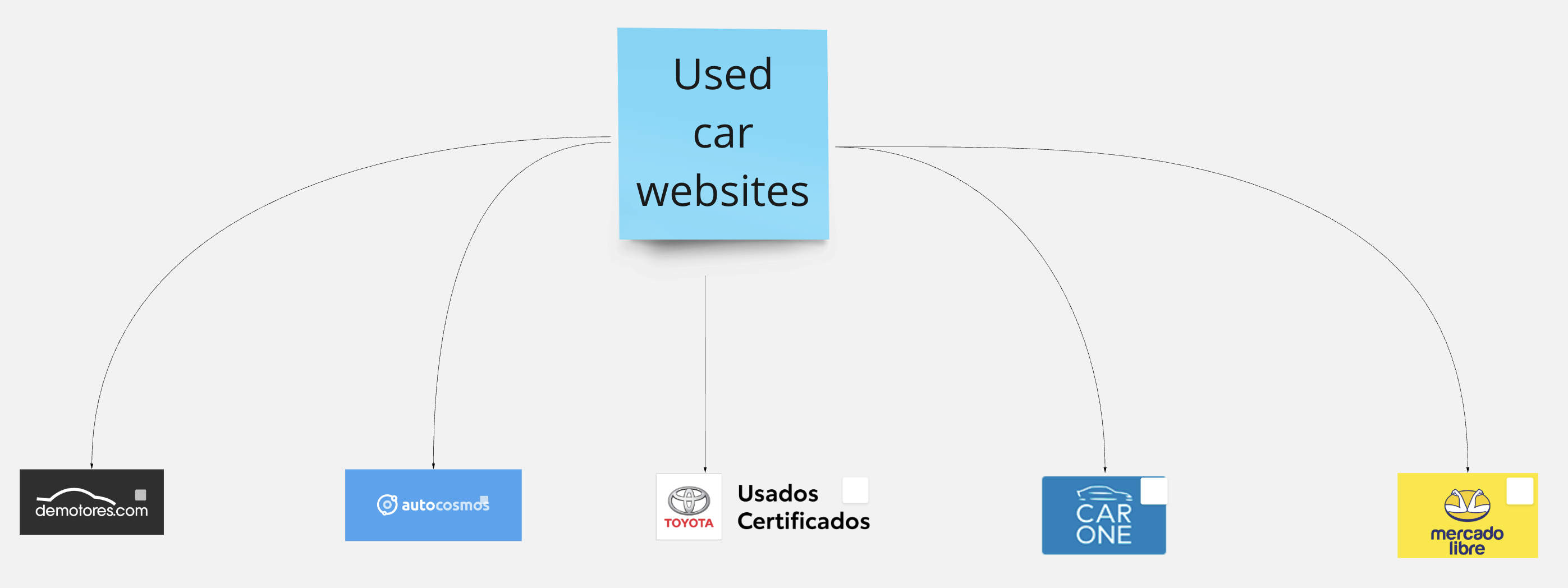
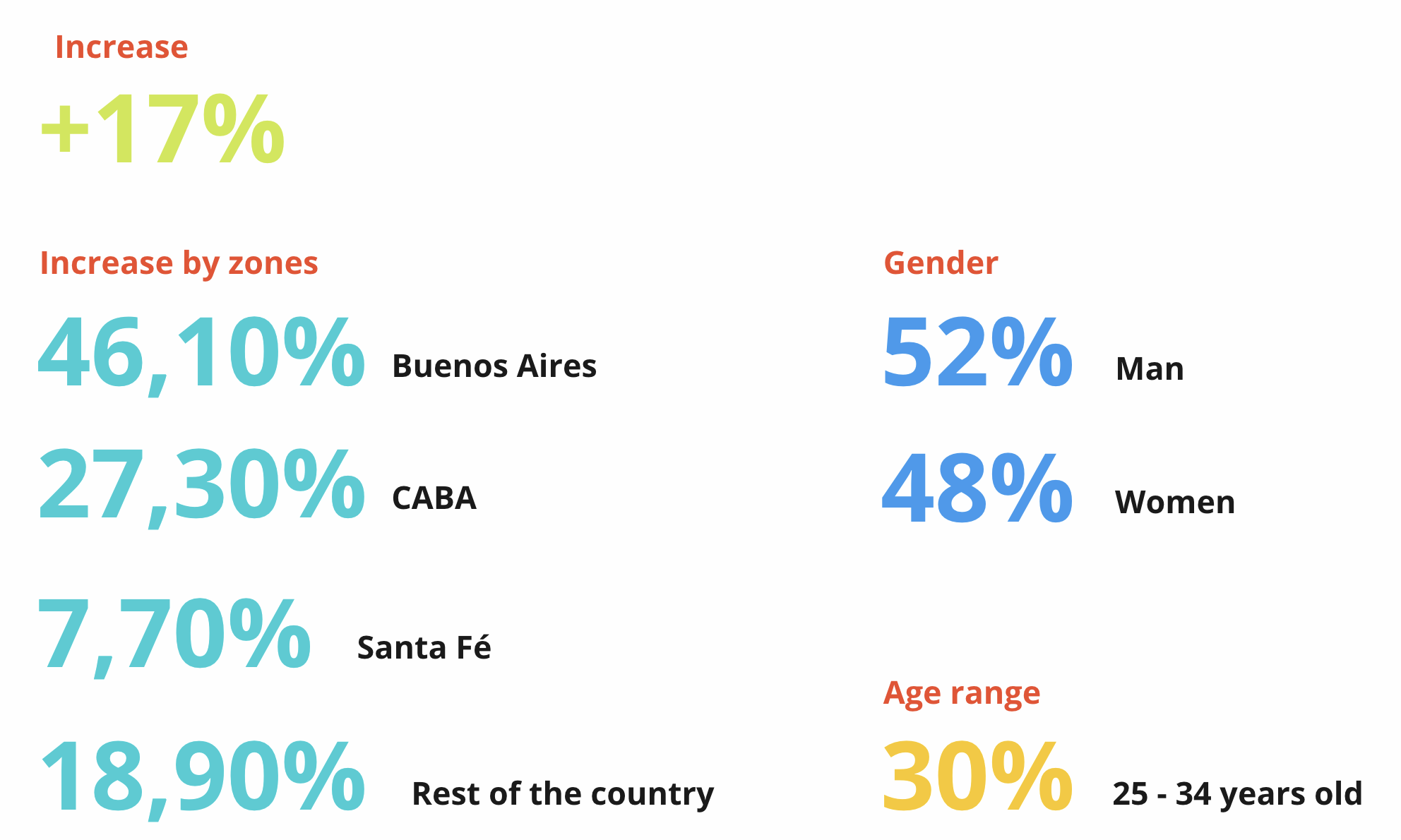
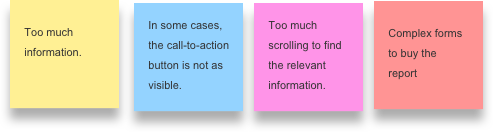
Early research revealed:
Despite this, we explored how design could still add value through clarity, transparency, and expectation management.
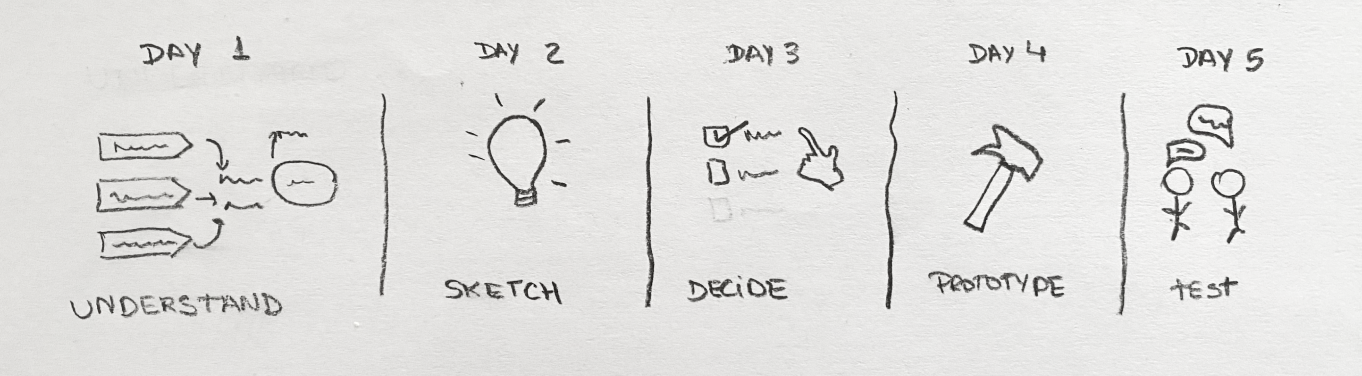
We ran a fully remote Design Sprint, focusing on two core questions:
Sprint focus areas

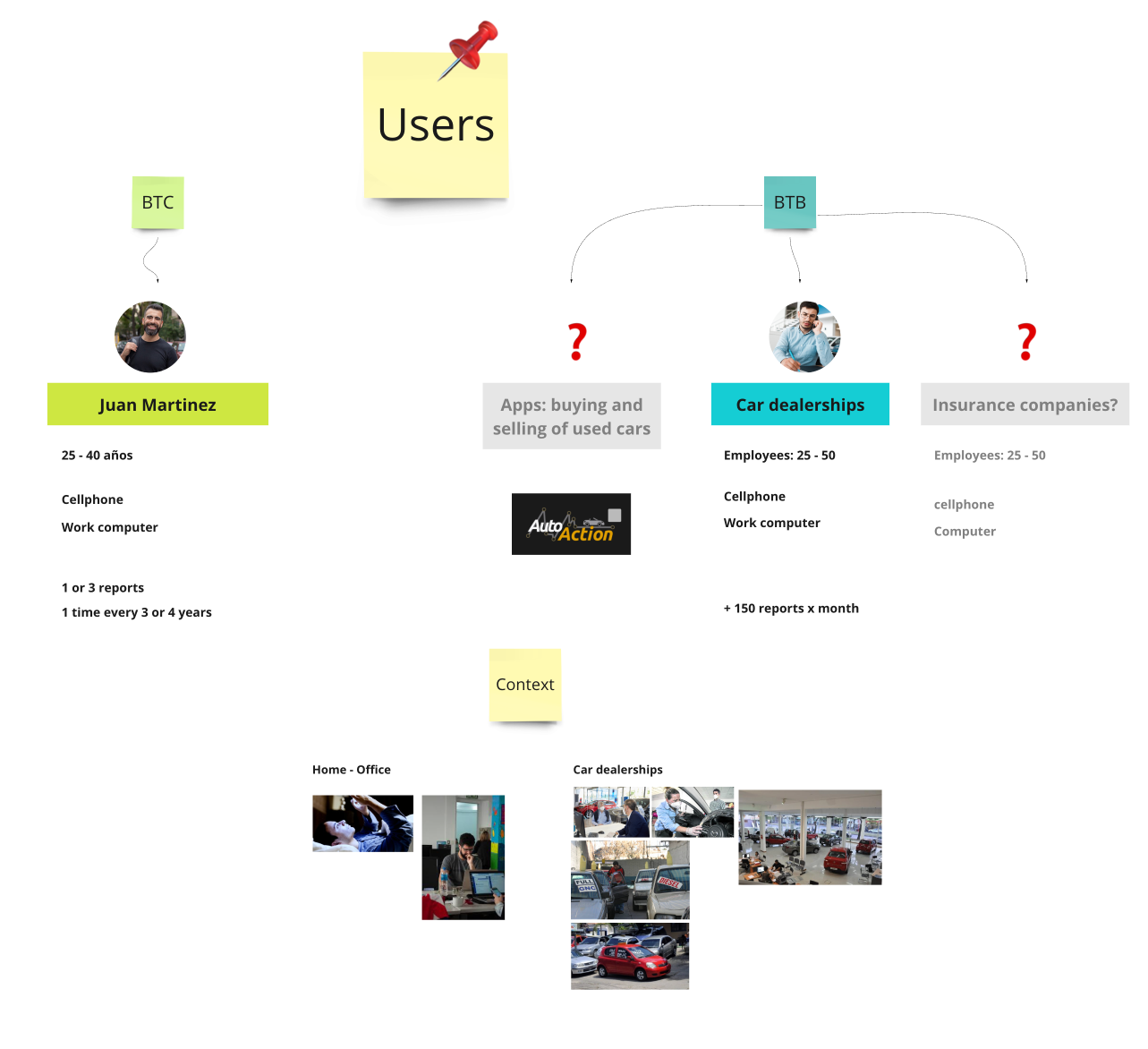
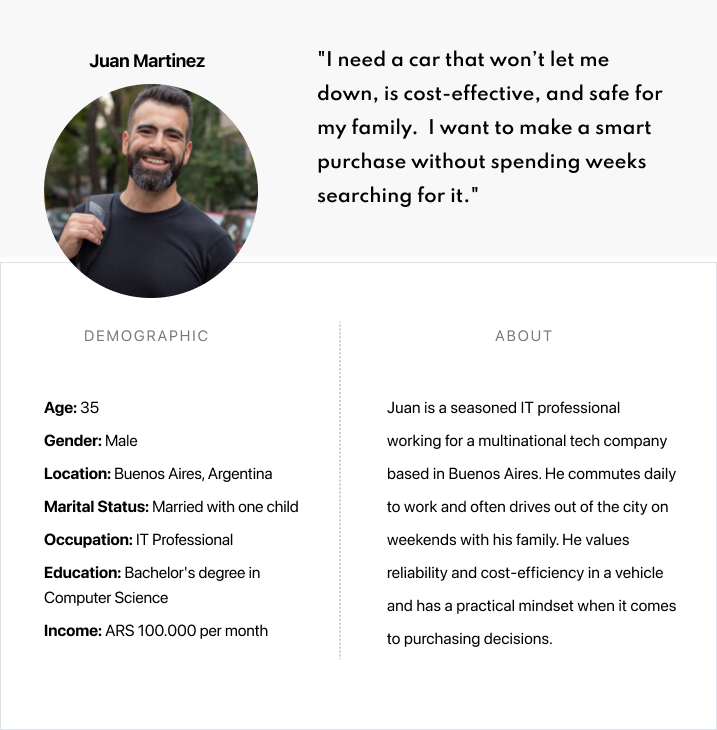
Created by our stakeholders, who actively participated in crafting our user profiles.
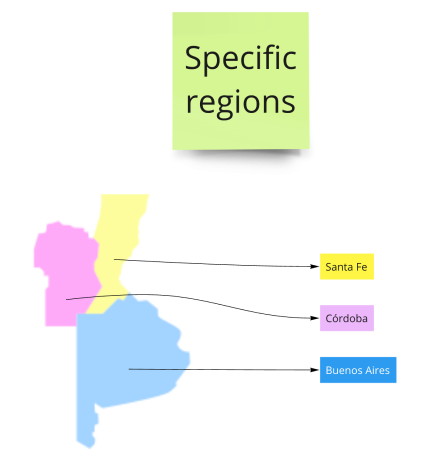
Launch regions
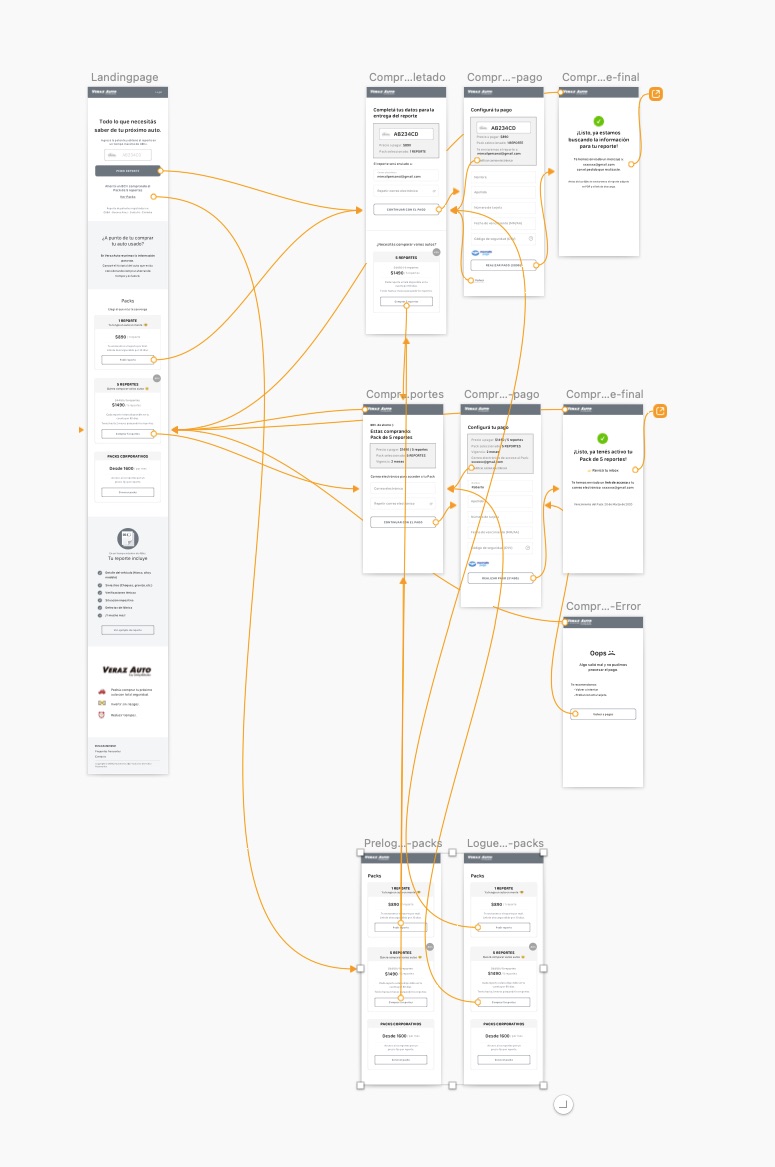
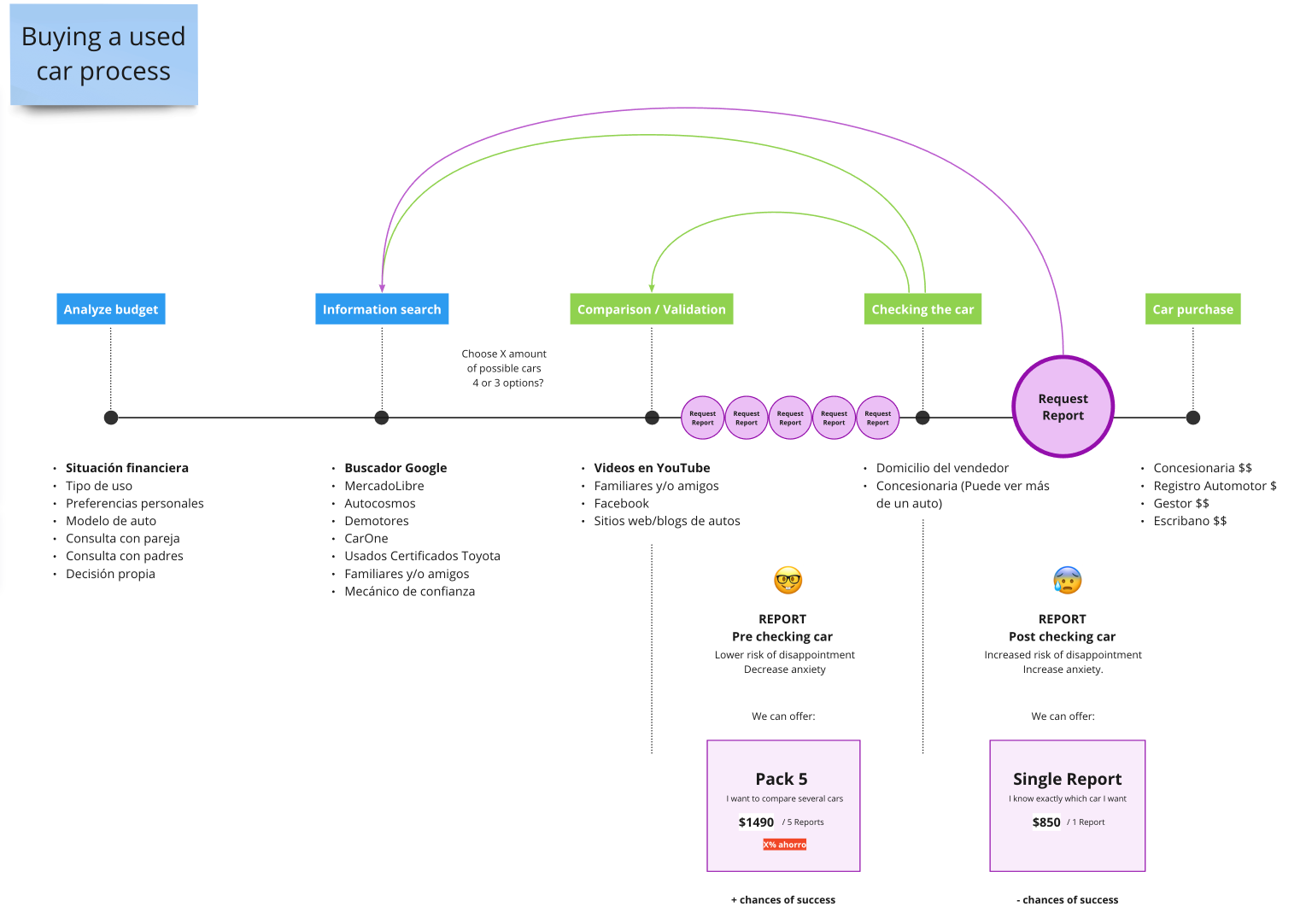
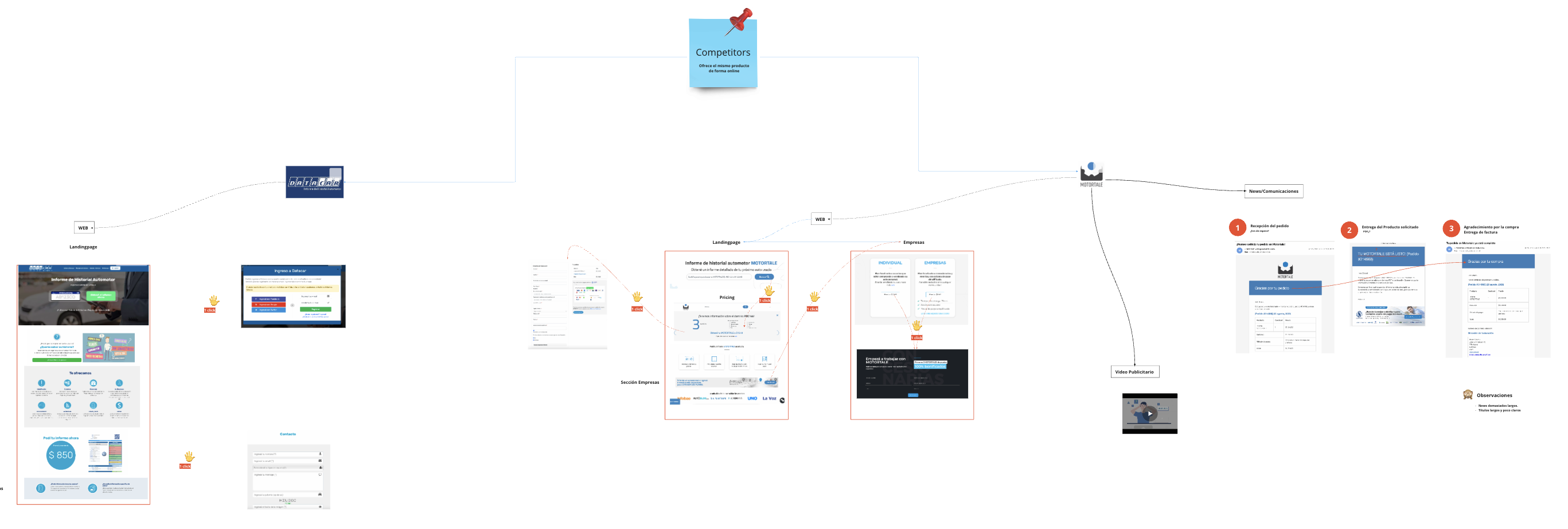
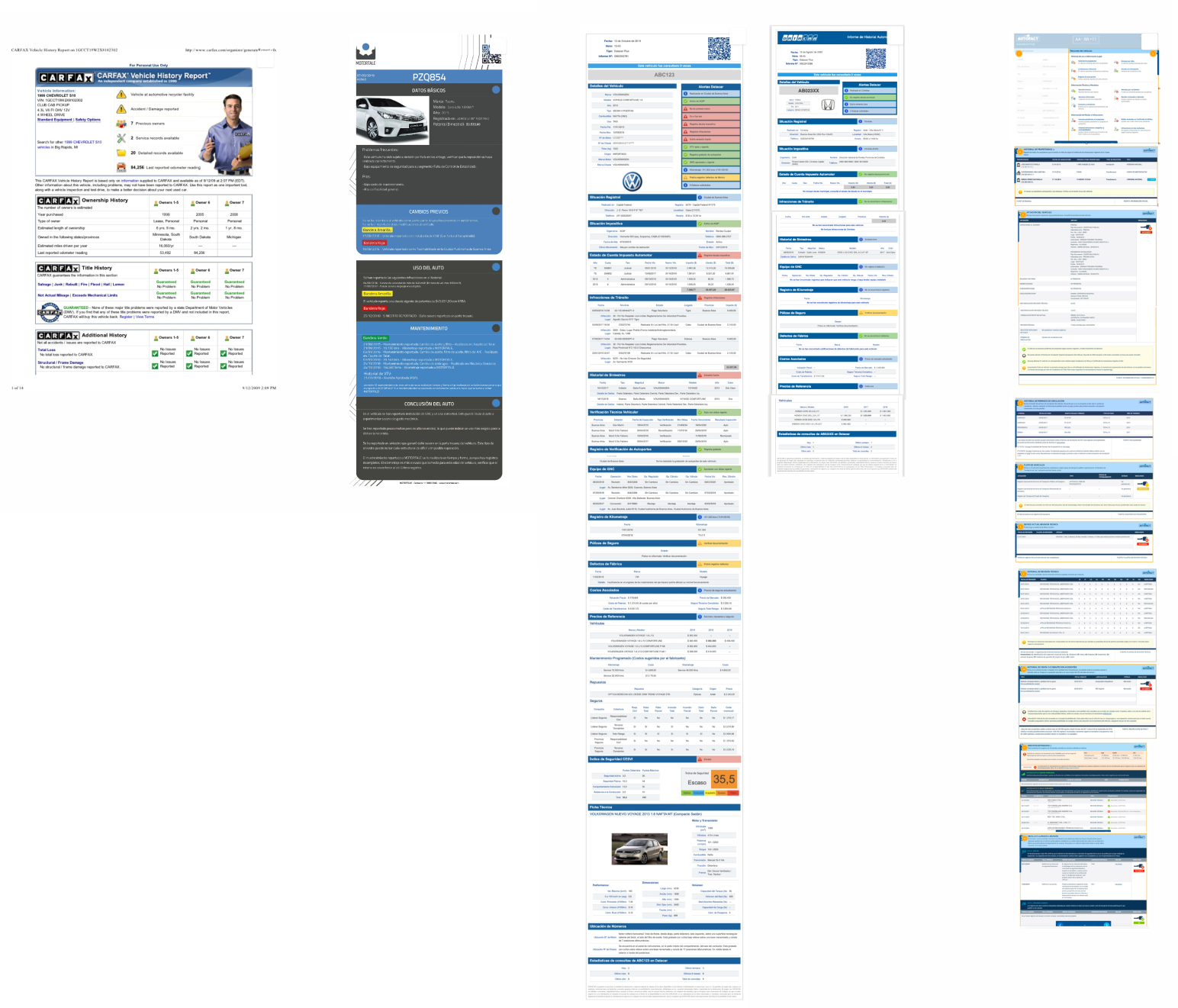
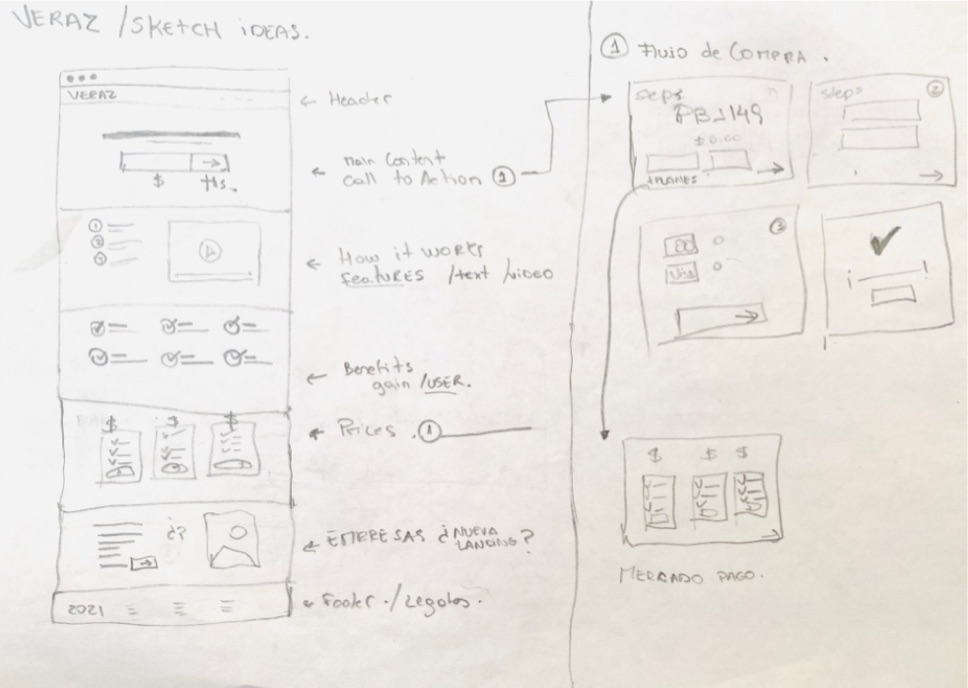
Suscription process analysis
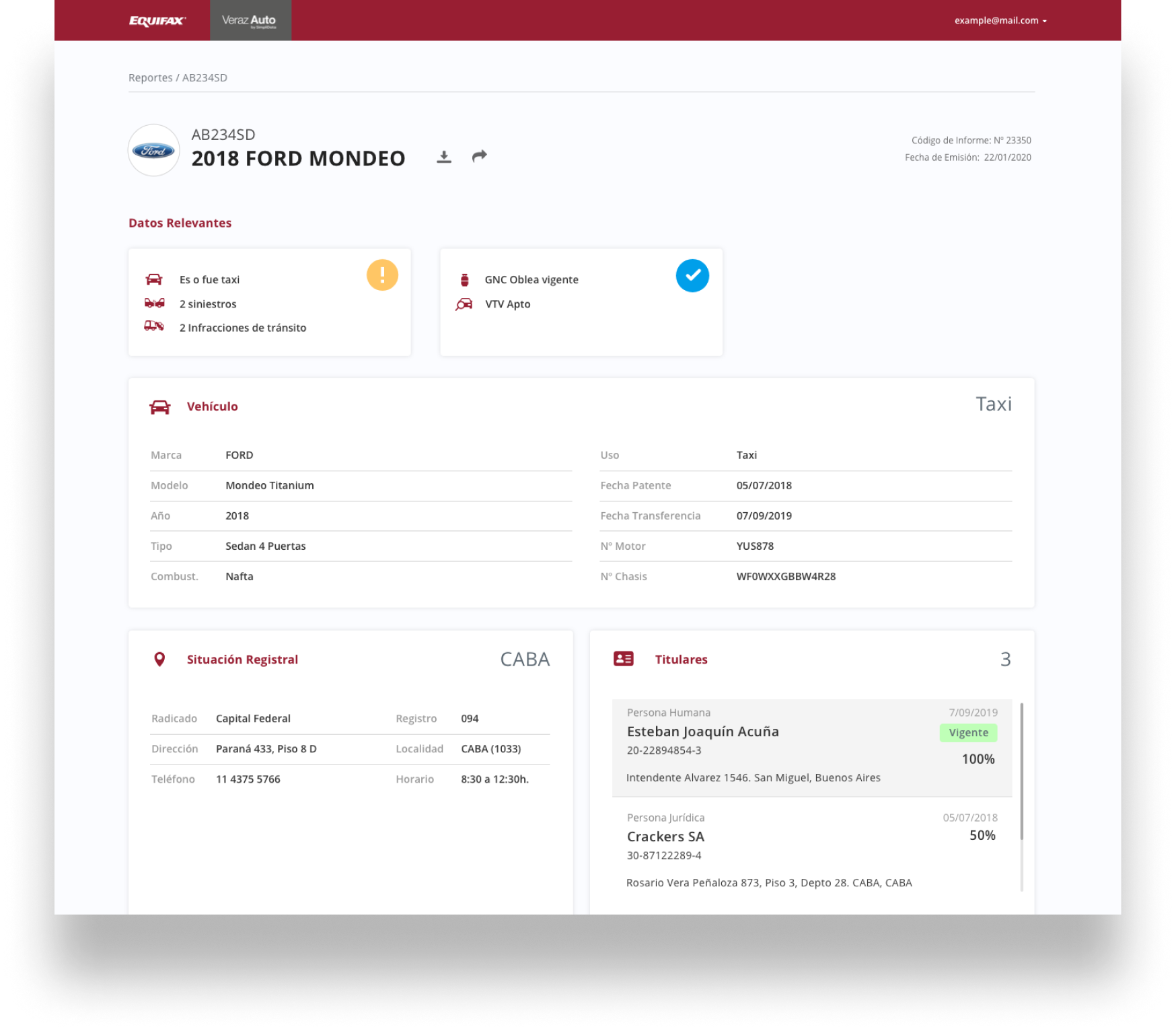
We produced both digital and printable versions of the report and tested them with four pre-selected users matching our target profile.
In this context, the most reliable path to accuracy remains certified mechanical inspections. Design can’t replace missing data — but it can help users understand limitations and make more informed choices.
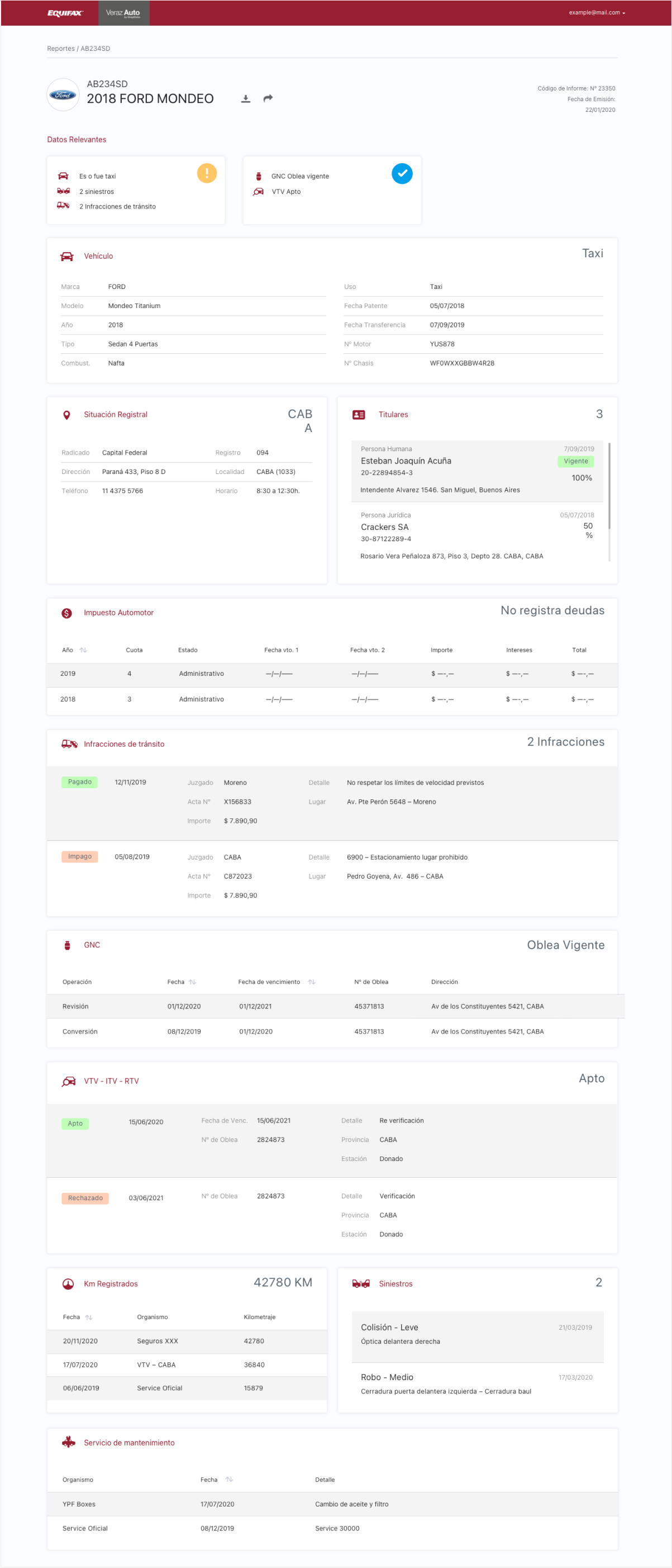
Digital Report
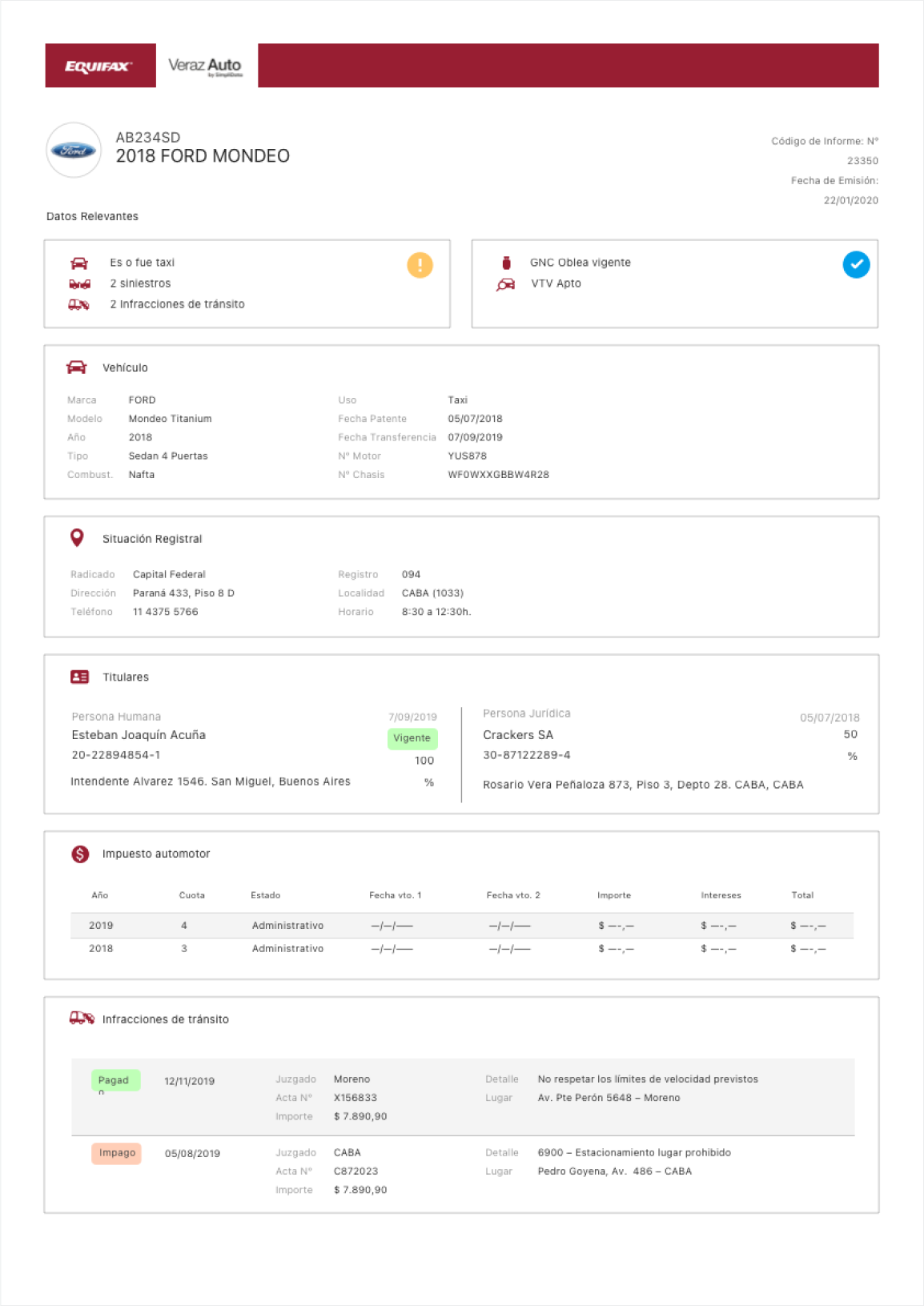
Print Report